Diamond Shapes vs Diamond Cuts: What’s the Difference?
When choosing a lab-grown diamond, you may come across two terms that sound similar but mean very different things: diamond shape and diamond cut. Understanding the difference can help you make a more informed choice when selecting a lab-grown diamond for your ring, necklace, bracelet or earrings.
What Is a Diamond Shape?
The shape refers to the overall outline and silhouette of a lab-grown diamond when viewed from above.
It is essentially the visual form of the diamond—and one of the first things you notice when choosing a piece of jewellery. The choice of shape is largely about personal style, proportion and the overall look you want your jewellery to have.
Some popular lab-grown diamond shapes include:
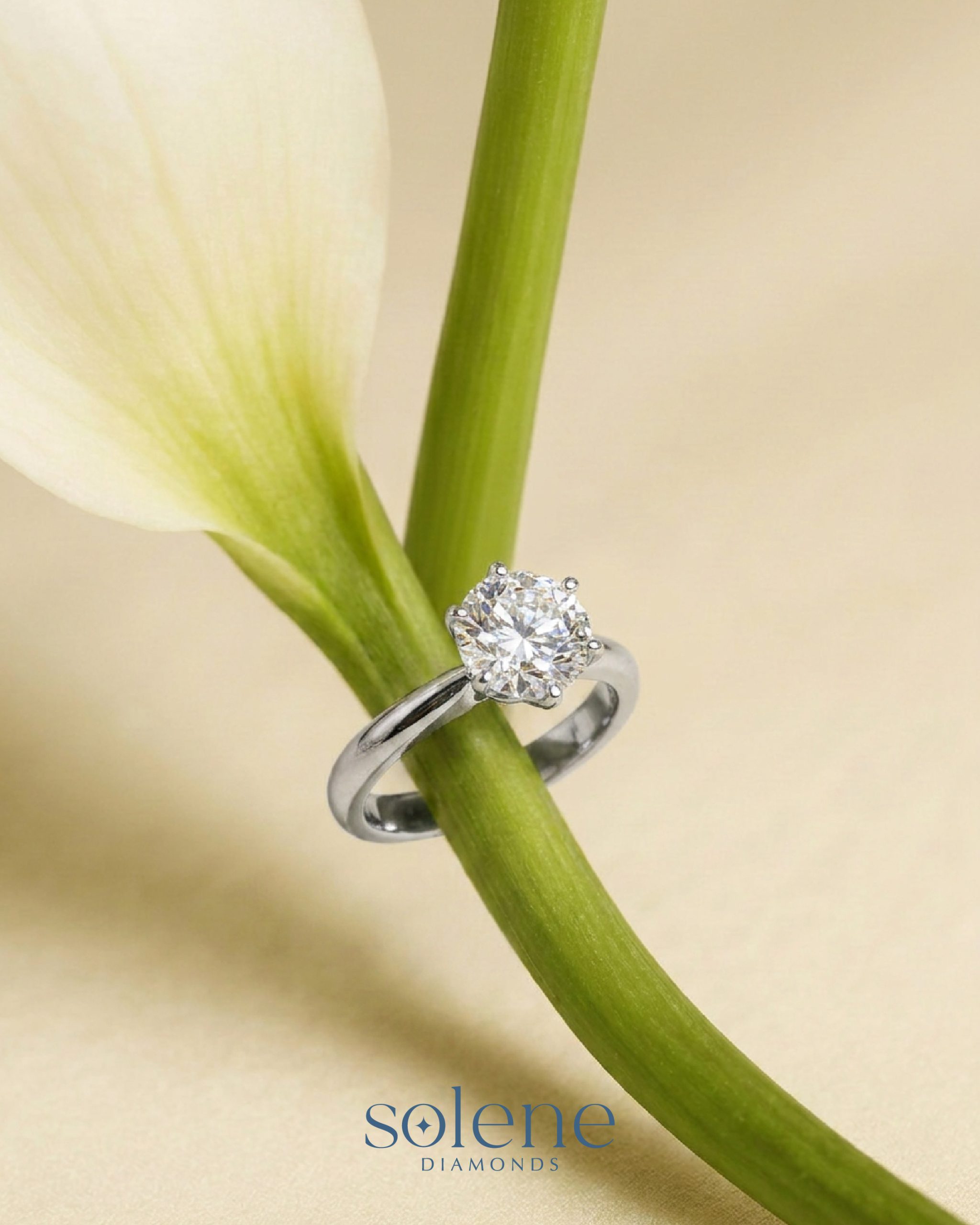
Round
The classic choice, known for its balanced and timeless appearance. Round lab-grown diamonds are especially popular for their ability to showcase brilliance.
Oval
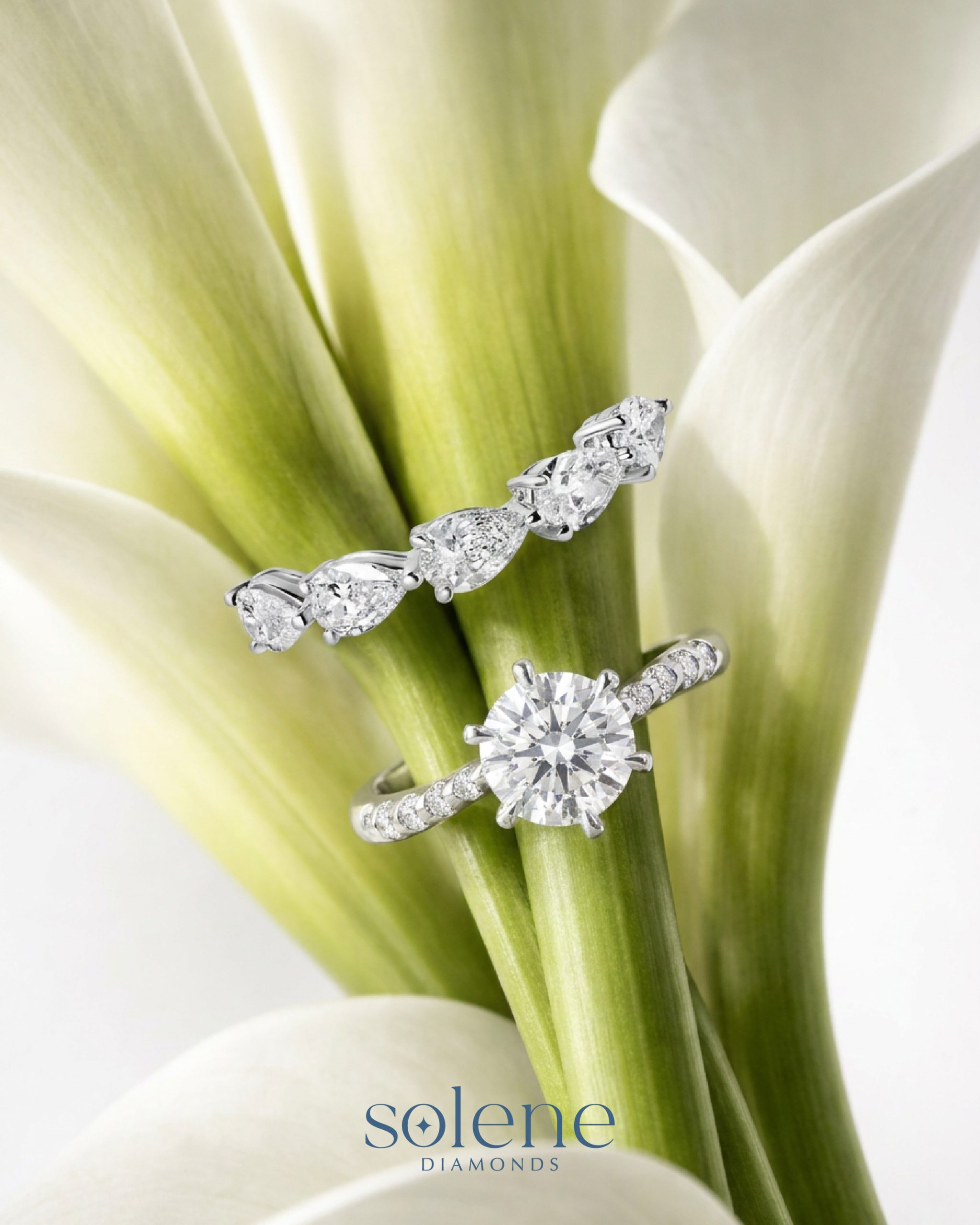
An elongated shape with a graceful appearance. Oval lab-grown diamonds can create a visually lengthened look while maintaining plenty of brilliance.
Emerald
Recognised by its long, clean facets and rectangular outline. Emerald-cut lab-grown diamonds have a sophisticated appearance with a distinctive hall-of-mirrors effect.
Pear
A combination of round and marquise shapes, creating a distinctive teardrop silhouette. Pear-shaped lab-grown diamonds can bring an elegant and graceful character to jewellery.
Marquise
An elongated shape with pointed ends. Marquise lab-grown diamonds can create a striking and elongated visual effect.
What Is Diamond Cut?
While shape describes what the diamond looks like, cut refers to how the diamond has been proportioned, faceted and finished to interact with light.
For lab-grown diamonds, cut plays an important role in how the stone displays its brilliance, fire and scintillation.
A well-executed cut allows light to enter the lab-grown diamond, interact with its facets and return to the viewer in a way that creates its characteristic visual performance.
This means two lab-grown diamonds with the same shape can still look noticeably different depending on their cut quality.
Shape vs Cut: A Simple Way to Remember
Think of it this way:
Shape = The look
Cut = The craftsmanship behind the light
For example, you might choose an oval lab-grown diamond because you love its elongated silhouette.
The cut then influences how beautifully that oval lab-grown diamond interacts with light.
So, when choosing a lab-grown diamond, shape and cut work together—but they describe two different aspects of the stone.
Why Does Cut Matter for Lab-Grown Diamonds?
A lab-grown diamond is carefully cut from its rough crystal to create its final proportions and facets.
The way those facets are arranged affects how light travels through the stone.
A well-cut lab-grown diamond can display:
Brilliance — the bright white light reflected from the diamond.
Fire — flashes of spectral colours that can appear as the diamond moves under light.
Scintillation — the flashes of light and dark that create a lively sparkling effect as the diamond or observer moves.
This is why looking beyond the diamond’s shape can be important when choosing a lab-grown diamond.
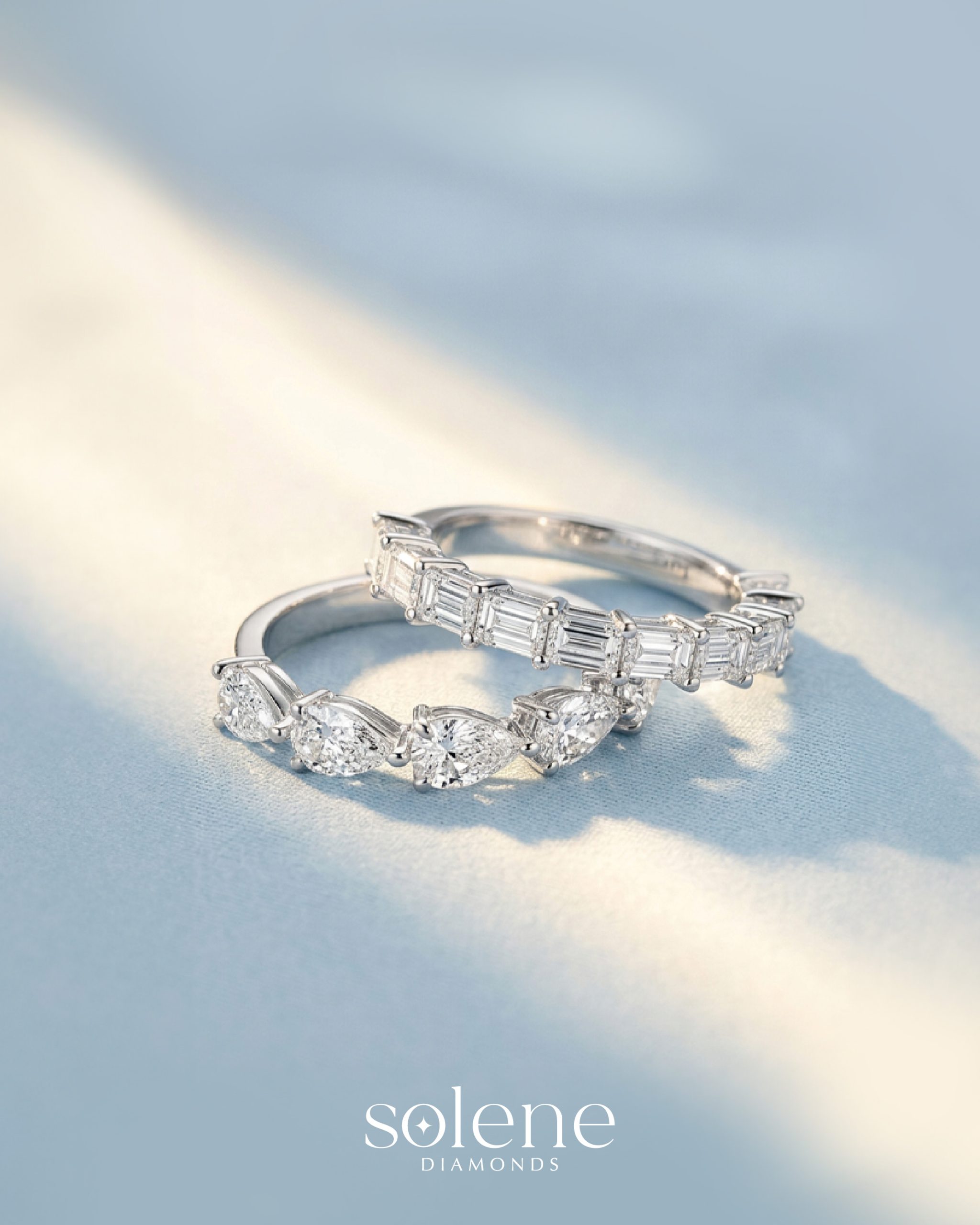
Can the Same Shape Have Different Cuts?
Yes.
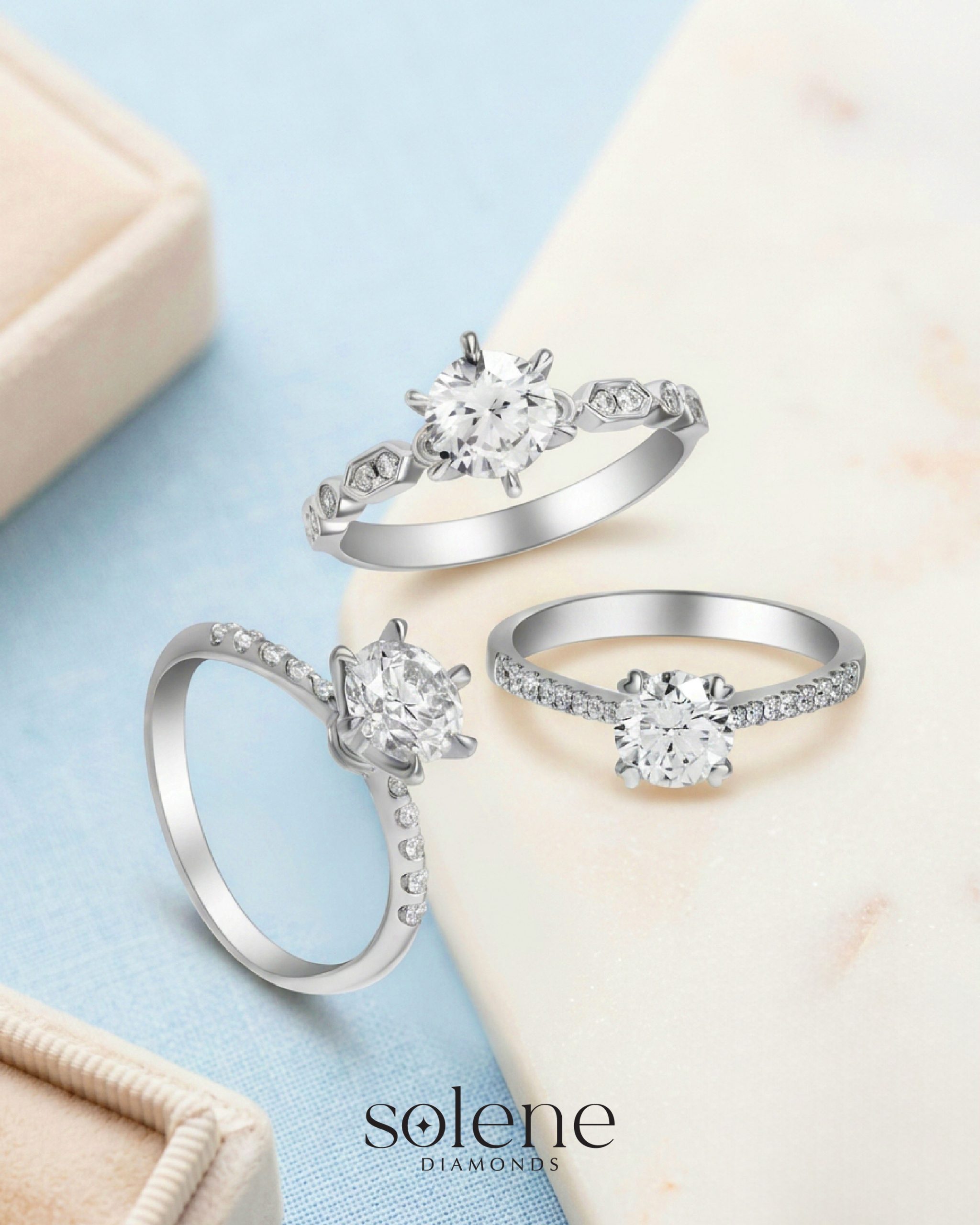
For example, two oval lab-grown diamonds may share the same overall shape while having different proportions, facet arrangements or levels of finishing.
As a result, their visual appearance and light performance can differ.
The same principle applies to other shapes such as round, cushion, oval, emerald, pear, and radiant marquise lab-grown diamonds.
Shape tells you what you are looking at.
Cut helps determine how that diamond performs visually.
How Should You Choose Your Lab-Grown Diamond?
Start with the shape that naturally suits your personal style.
Do you prefer something classic and timeless? A round lab-grown diamond may appeal to you.
Looking for something elegant and elongated? Consider an oval or marquise lab-grown diamond.
Prefer clean and sophisticated lines? An emerald lab-grown diamond may be the right direction.
Once you’ve found a shape you love, pay attention to the diamond’s cut quality, proportions, symmetry and finish.
Ultimately, the best lab-grown diamond is one that combines the shape you love with the light performance you enjoy seeing.
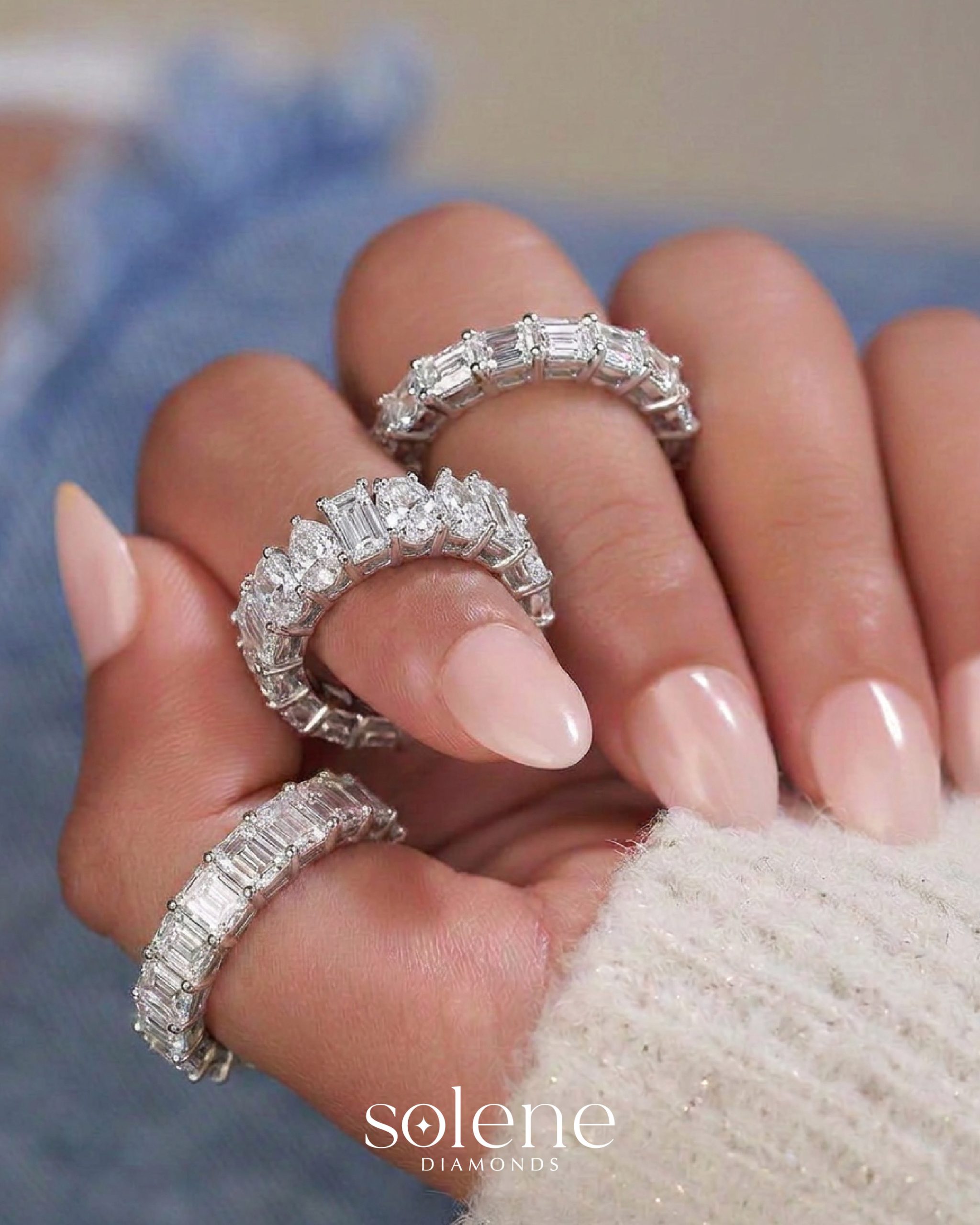
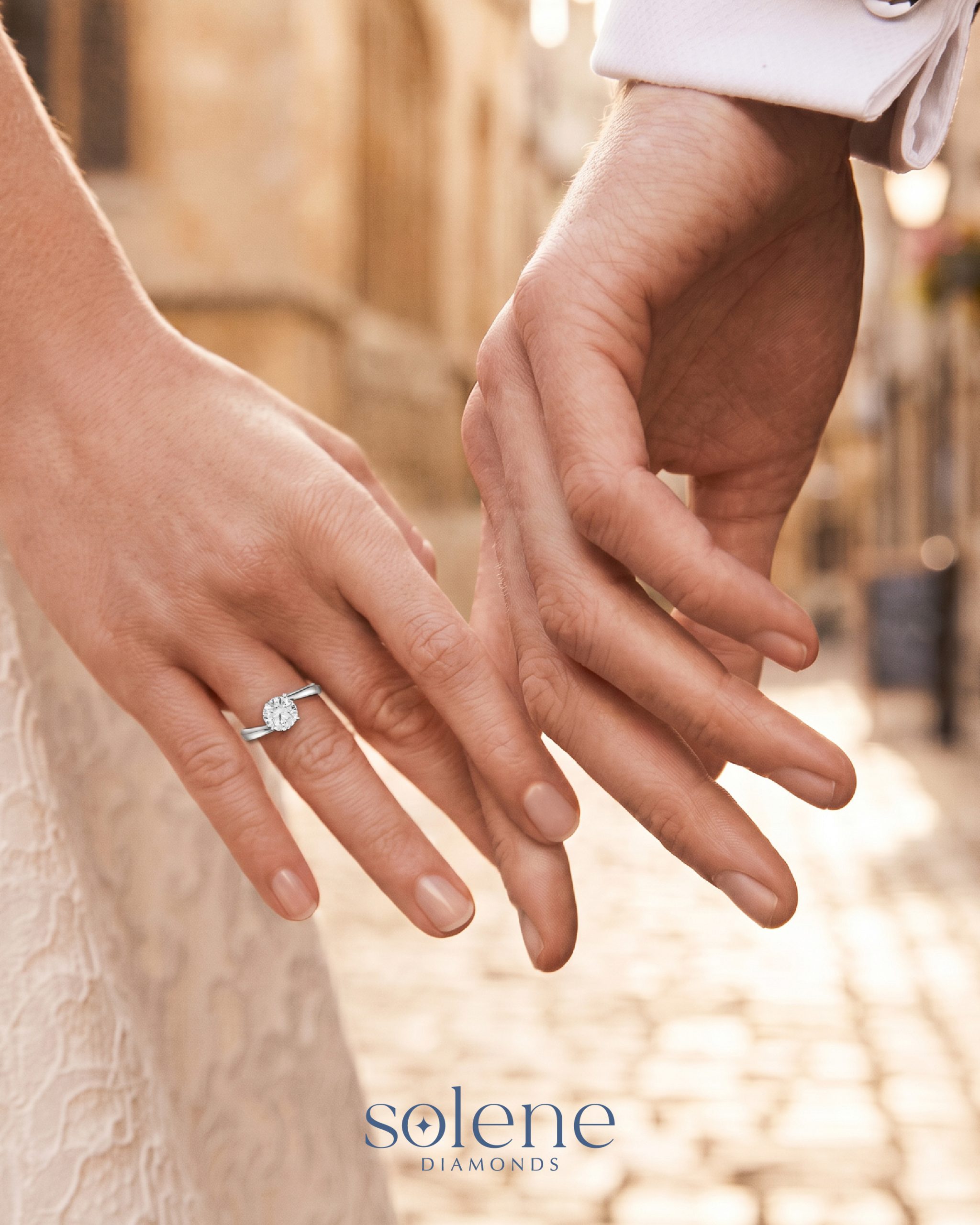
Shape Gives It Character. Cut Brings It to Life.
Choosing a lab-grown diamond goes beyond simply selecting a shape.
The shape expresses your personal style, while the cut influences how beautifully the diamond interacts with light.
Together, they create the character and brilliance of the lab-grown diamond you choose to wear.
At Solene, every lab-grown diamond is designed to become part of your everyday moments—beautifully chosen, beautifully worn.